Free shipping on orders over 2000 TL.

Gluten-Free Carob Flatbread Recipe

Gluten-Free Carob Flatbread Recipe

Gluten-Free Carob Flatbread Recipe

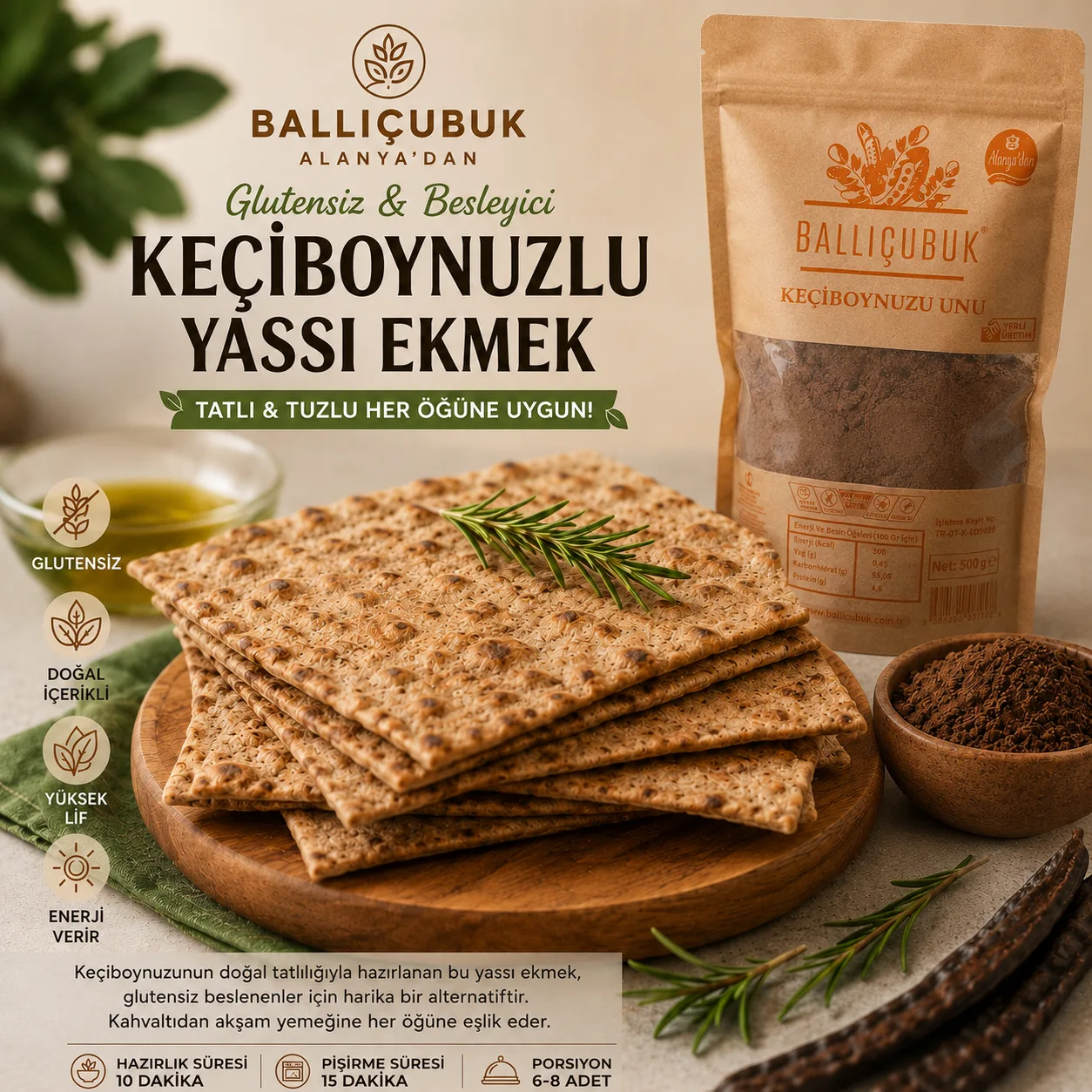
If you are looking for a soft, flavorful and gluten-free bread alternative, this Gluten-Free Carob Flatbread Recipe is a delicious choice. Classic flatbread becomes warmer and more aromatic with the addition of BallıÇubuk carob powder. This recipe uses gluten-free all-purpose flour. Carob powder gives the dough a natural color and a lightly sweet, roasted flavor. Warm milk, yeast, butter and coconut sugar help create a soft and slightly chewy flatbread that can be served in many different ways. Gluten-Free Carob Flatbread is ideal for breakfast, snack time, soups, sauces or spreads. You can keep the topping slightly sweet with cinnamon and sugar, or make it more savory with sesame seeds, black cumin, thyme or rosemary.

Ingredients for Gluten-Free Carob Flatbread

Makes 12 slices*

1 cup warm milk
1/4 cup unsalted butter
1 + 1/2 cups coconut sugar
1/2 teaspoon sea salt
2 + 1/4 teaspoons dry yeast
1/4 cup warm water
3 cups gluten-free all-purpose flour
3 tablespoons BallıÇubuk carob powder
1 teaspoon baking powder

For topping:

Melted butter
Optional: cinnamon and a little sugar
Optional: sesame seeds, black cumin, thyme or rosemary

Preparation

In a small bowl, mix the warm milk, butter, coconut sugar and sea salt.

Make sure the milk is warm, not hot.

In a separate small cup, mix the dry yeast with the warm water.

Let the yeast mixture rest for a few minutes.

In a large mixing bowl, add the gluten-free flour, BallıÇubuk carob powder and baking powder.

Mix the dry ingredients well.

Make a small well in the center of the dry mixture.

Add both the milk mixture and the yeast mixture.

Stir with a spoon first, then use your hands to bring the dough together.

If the dough is too wet, add a little more gluten-free flour.

If the dough is too dry, add a little warm milk.

Knead the dough for about 5 minutes.

Divide the dough into two equal balls.

Lightly oil the surface of each dough ball and place them back in the bowl.

Cover the bowl with a clean cloth.

Let the dough rise in a warm place for about 1 hour.

When the dough has nearly doubled in size, preheat the oven to 350°F / 175°C.

Line a baking tray with parchment paper.

Place the dough balls on the prepared tray.

Gently press, stretch and shape each dough ball into a flatbread.

Each piece can cover about half of the baking tray.

Lightly score the dough into slices with a knife.

Brush the top with melted butter.

Sprinkle with cinnamon and a little sugar if you prefer a sweeter topping.

For a savory version, add sesame seeds, black cumin, thyme or rosemary.

Bake for 15 minutes.

Rotate the baking tray and bake for another 10-15 minutes.

Check every few minutes near the end of baking.

When the flatbread is lightly browned and fully baked, remove it from the oven.

Let it cool on a wire rack.

Serve warm or at room temperature.

Recipe Notes

This recipe uses gluten-free flour. For a fully gluten-free result, make sure the flour, baking powder and all other ingredients are certified gluten-free.

The texture of the dough may change depending on the gluten-free flour blend you use.

If the dough feels too firm, add a little warm milk.

If the dough feels too sticky, add a small amount of gluten-free flour.

Coconut sugar can be replaced with maple sugar or brown sugar.

For a less sweet flatbread, reduce the sugar amount according to your taste.

Butter can be replaced with a plant-based oil if preferred.

For a stronger carob flavor, add 1 extra tablespoon of BallıÇubuk carob powder.

This flatbread can be served with carob syrup, nut butter, jam or tahini for breakfast.

For a savory serving, pair it with cheese, olives, soups, vegetable dishes or sauces.

Leftover flatbread can be stored in an airtight container and reheated briefly in the oven the next day.