


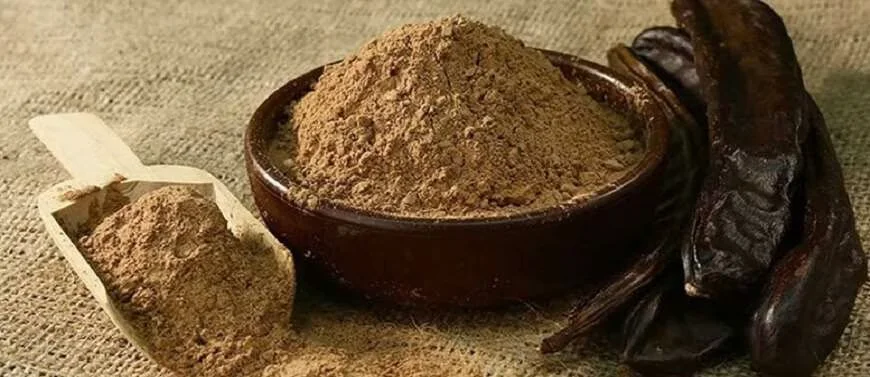
Can you make dessert with carob? You can. And when it’s done right, it can be so good that you won’t miss “sugary desserts” at all. But there are two conditions here: first, you won’t use carob as a cocoa imitation. Second, just because you’re making a refined sugar–free dessert, you won’t turn the taste into a “punishment dessert.” Traditional kitchens have known this for years: sugar is not mandatory in desserts—flavor is. And because carob is a powerful ingredient that carries flavor, it performs strongly in refined sugar–free recipes.
In this article, I’m sharing easy, home-friendly dessert ideas—without breaking the traditional line—using both carob molasses and carob powder (flour). All of them can be built without adding refined sugar. And most of these recipes follow a “few ingredients, clear result” mindset.
First, the logic: What does carob do in desserts?
Carob does three jobs at once in desserts. First, it provides natural sweetness. Second, it amplifies aroma—meaning it helps create a “dessert feeling even with less sugar.” Third, in some recipes it helps pull the texture together. In molasses form, it brings sweetness and binding. In powder form, it brings aroma and body. And that’s exactly what you need in refined sugar–free desserts: building sweetness, aroma, and texture from places other than sugar.
Molasses or powder? Which is better for desserts?
You use both, but for different purposes.
Carob molasses delivers sweetness quickly and acts like a binder in some recipes. It works well for fudge-like sweets, energy bites, and practical desserts that aren’t syrup-based.
Carob powder is more controlled in baked goods. In recipes like cakes, cookies, and pancakes—when you want to reduce sugar and boost aroma—powder is the safer choice, because it doesn’t thin out the recipe.
If you have both at home, dessert-making becomes easier. If you rely on only one product, you’ll hit a wall at some point.
Refined sugar–free dessert ideas in a “traditional line”
1) Tahini Carob Halva (Mix, rest, done)
The spirit of this recipe is old-school. Tahini and molasses have been eaten together in our kitchen for years. Here, they turn into a dessert.
How to make it? Put tahini in a bowl, add carob molasses, and mix well. If you like, add coarsely crushed walnuts or hazelnuts. Press the mixture into a small bowl and let it rest in the fridge for 1–2 hours. Slice and serve.
Tip: Don’t overdo the molasses. Tahini is already rich and filling. Less molasses gives a fuller, more balanced taste.
2) No-bake “Semolina Halva”-style Carob Bites
That “crumbly, melt-in-the-mouth” feel of semolina halva can also be achieved in no-bake bites.
How to make it? Use finely ground oats or oat flour instead of breadcrumbs—aim for a semolina-like texture. Bind it with carob molasses. Add cinnamon, walnuts, and a small amount of coconut. Roll into balls and rest in the fridge.
Tip: If the mix is too runny, increase oat flour. If it’s too dry, add a teaspoon of molasses. Texture control is in your hands.
3) A Carob Rice Pudding Twist (Refined sugar–free)
Rice pudding is a traditional dessert. It’s absolutely possible to reduce sugar and carry flavor with aroma instead.
How to make it? Cook the rice the classic way, add milk, and once it thickens, turn off the heat. Add carob molasses instead of sugar. Sprinkle cinnamon on top.
Tip: Add the molasses after you take it off the heat, not while it’s boiling. The aroma stays cleaner.
4) Cocoa-free Carob Powder Cake (Dark color, deep aroma)
The goal here is not “make it taste like cocoa,” but to build a dark, rich cake using carob’s own aroma.
How to make it? Beat the eggs, add yogurt, then add a little olive oil or butter. While adding flour, mix in carob powder as well. Instead of sugar, you can use a small amount of molasses or mashed dates. Bake with baking powder.
Tip: Too much carob powder can create a slightly bitter dominance. Use it in balance.
5) A Carob Touch for Traditional “Dried Fruit Dessert”
Dried apricots, dried figs, dried plums… These are classic winter desserts in our kitchen. Instead of a sugar syrup, carob can add depth of flavor.
How to make it? Cook the dried fruits with a little water. Near the end, add a small amount of carob molasses. Serve with walnuts.
Tip: The fruit is already sweet. Use molasses only in a small amount, for aroma.
6) Carob-Drizzled Baked Pumpkin Dessert (Sugar-free)
Pumpkin dessert is traditional, but it can become heavy when loaded with sugar. It can also be done without sugar.
How to make it? Bake the pumpkin until it softens in its own juices. When serving, drizzle carob molasses on top. Finish with tahini and walnuts.
Tip: Adding molasses at serving time—not during cooking—gives a cleaner aroma.
7) Carob Yogurt Dessert (Old-school practical)
Yogurt is already eaten with sweet flavors at our table. Here, it becomes a quick refined sugar–free dessert.
How to make it? Mix carob powder into strained yogurt. Top with walnuts, cinnamon, and optionally a few raisins. Let it rest for 10 minutes.
Tip: The powder settles into yogurt and tastes better as it rests. Don’t eat it immediately—give it a short rest.
In traditional desserts, what can replace refined sugar?
To build refined sugar–free desserts, old-time ingredients were already enough: molasses, dried fruit, honey, dates, grapes, figs. But portion control matters. “No sugar” doesn’t mean you can use unlimited dried fruit and molasses. The goal is to control sweetness, not to erase it completely.
Classic pairings that lift the flavor
Carob pairs best with:
tahini, walnuts, hazelnuts, almonds, cinnamon, vanilla, milk, and yogurt. These combinations are both traditional and reliable. Because carob has a strong character, it gives much better results when paired with these “grounded” flavors.
The first mistake: using carob one-to-one in place of cocoa and expecting the same taste. The second mistake: adding too much molasses and making the dessert heavy. The third mistake: increasing portion size just because it’s “sugar-free.” The fourth mistake: using too much carob powder and creating a bitter note. Cut these mistakes out, and refined sugar–free desserts become genuinely enjoyable.
You can make dessert with carob, and you can do it without breaking the traditional line. Making refined sugar–free dessert is a discipline in the kitchen: you use the right ingredient in the right place, you don’t lose control of the measure, and you build flavor not with sugar, but with skill. Carob is a strong helper here. It bonds with tahini, settles with yogurt, deepens with nuts, and balances with dried fruit. If you look at it with the wisdom of the old kitchen, you can create new desserts—without touching refined sugar.
